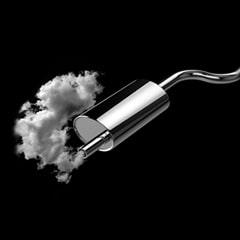

Step by Step Muffler Installation Guide
A muffler is an essential component of a vehicle's exhaust system, as it helps to reduce noise and pollution. Installing a muffler can be done in simple steps with the right tools and mechanical expertise. This guide will outline the steps to install a muffler and the tools and expertise required to do the job properly.
What Is A Muffler?
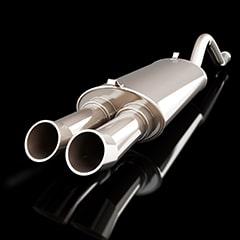
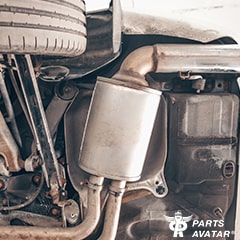
A car muffler is a device in a vehicle's exhaust system that reduces noise generated by the engine and exhaust gases. The muffler uses sound-absorbing materials and internal chambers to disrupt and dissipate the sound waves of the engine and exhaust gases. The muffler is typically a cylindrical or rectangular-shaped component installed in the middle or at the end of the exhaust pipe. It is connected to the exhaust pipe at one end and the tailpipe at the other. The muffler is an essential component of the exhaust system as it helps to reduce engine noise and comply with noise regulations while also improving the overall performance and efficiency of the vehicle.
Why Do You Need To Replace/ Install A Muffler?
A muffler is an essential component of a vehicle's exhaust system, which helps reduce the noise generated by the engine and controls the emissions released into the environment. Over time, a muffler can become damaged or worn out, which can affect its performance and cause it to malfunction.
Some common reasons for replacing or installing a muffler include:
1. Damage: A muffler can become damaged due to accidents, road debris, or rust. A damaged muffler can cause excessive noise and vibration, which can be unpleasant and potentially harmful.
2. Wear and tear: Over time, a muffler can wear out due to exposure to heat and moisture and the vibrations generated by the engine. A worn-out muffler can reduce fuel efficiency, decrease engine performance, and increase emissions.
3. Upgrades: Some vehicle owners upgrade their mufflers to improve the sound or performance of their engines. Upgraded mufflers can increase horsepower and improve the overall performance of the vehicle.
4. Exhaust leaks: A well-maintained muffler can also prevent exhaust leaks, which can negatively impact fuel efficiency. Exhaust leaks can cause the engine to work harder to push out the gases and allow oxygen to enter the exhaust system, which can cause the engine to run rich and burn more fuel.
5. Legal compliance: In some states or countries, regulations require vehicles to meet specific noise and emissions standards. If a muffler is not functioning properly, it may cause the vehicle to fail an emissions test or violate noise ordinances.
In any case, if you suspect that your muffler is damaged or not functioning properly, it is important to have it inspected and replaced or repaired as needed to ensure the safety and efficiency of your vehicle.
Tools Required To Install A Muffler
Ratchet and socket set
Exhaust hanger pliers
Cutting tools ( hacksaw, grinder, or cutting pliers)
Expertise Required:
Basic mechanical knowledge
Ability to safely lift and support the vehicle
Ability to cut and connect pipes
Familiarity with vehicle's exhaust system
Steps To Install A Muffler
Following is the step-by-step procedure to install a muffler:
Step 1: Prepare the Vehicle
Make sure the vehicle is securely supported using a jack or lift.
Locate the muffler and the exhaust pipes connected to it.
Step 2: Remove the Old Muffler
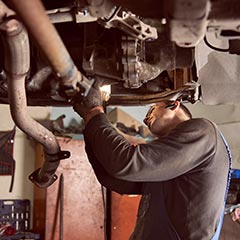
Use a wrench or socket to remove the bolts that connect the muffler to the exhaust pipes.
Disconnect the muffler hanger straps with the help of exhaust hanger pliers.
Step 3: Measure and Cut the Exhaust Pipes
Measure the length of the pipes that connect to the muffler and cut them if necessary.
The new muffler should fit snugly between the two pipes, so it’s important to have the right length.
Step 4: Install the New Muffler
Line up the new muffler with the exhaust pipes and connect it using the bolts provided.
Use a wrench or socket to tighten the bolts to the manufacturer's specifications.
Step 5: Secure the Muffler with Hanger Straps
Reinstall the hanger straps to secure the muffler in place.
Make sure the muffler is securely fastened and won't move around when the vehicle is in motion.
Step 6: Test the Installation
Start the vehicle and let it run for a few minutes to ensure the muffler is properly installed and working correctly.
Check for any leaks or excessive noise and make adjustments if necessary.
In conclusion, installing a muffler is a simple task that can be done with the right tools and some mechanical knowledge. It's important to follow the manufacturer's instructions and make sure the muffler is installed securely to ensure it functions properly and lasts a long time. If you're unsure about your ability to complete the installation, it's always best to seek professional assistance.
Things To Remember While Installing A Muffler
Here are some important things to keep in mind when installing a muffler:
1. Safety first: Before you begin the installation process, ensure that your vehicle is parked on a flat surface and that the parking brake is engaged. Also, make sure to wear appropriate personal protective equipment (PPE), such as gloves and safety glasses.
2. Choose the right muffler: Select a muffler that is compatible with your vehicle's make and model, and that meets the necessary noise and emission standards.
3. Gather the necessary tools: You will need a range of tools, including wrenches, pliers, and a socket set, to complete the installation process. Make sure you have everything you need before you begin.
4. Remove the old muffler: First, remove the old muffler from your vehicle's exhaust system. This may involve cutting or loosening clamps or bolts that hold the muffler in place.
5. Install the new muffler: Carefully position the new muffler in place and tighten any necessary clamps or bolts to secure it to the exhaust system. Make sure the muffler is properly aligned and positioned to avoid any leaks.
6. Check for leaks: Once the installation is complete, start the engine and check for any leaks or unusual sounds. If you notice any issues, make the necessary adjustments to ensure a proper seal.
7. Test drive: Take your vehicle for a test drive to ensure that the new muffler is working properly and that the noise level is acceptable.
By following these tips, you can ensure that your new muffler is properly installed, helping to reduce noise and emissions, and improving your vehicle's performance and efficiency. If you're not confident in your ability to install a muffler yourself, it's always best to seek the assistance of a qualified professional.
Finding The Right Muffler
Finding the right muffler for your vehicle is an important consideration, as it can impact the performance, noise level, and overall efficiency of your vehicle's exhaust system. Here are a few factors to keep in mind when selecting a muffler:
1. Vehicle make and model: Your vehicle's make and model will play a significant role in determining which mufflers are compatible. Some mufflers may only be designed for certain vehicle models or engine types.
2. Performance goals: Different mufflers may be designed to provide specific performance characteristics, such as improved horsepower or torque. Consider your driving goals and how a new muffler may impact your vehicle's performance.
3. Noise level: Some mufflers are designed to reduce noise more than others. If you're looking for a quieter ride, look for mufflers that are specifically marketed as "quiet" or "noise-reducing."
4. Emission standards: Your local emissions standards may impact which mufflers are available to you. Make sure to choose a muffler that meets the necessary emissions regulations in your area.
5. Budget: Mufflers are available at a range of price points, so consider your budget when selecting a new muffler. While higher-end mufflers may offer superior performance, there are many budget-friendly options that still provide excellent results.
When selecting a new muffler, it's important to do your research and consider all of these factors. If you're not sure where to start, consult with a qualified mechanic or exhaust specialist, who can help you identify the right muffler for your vehicle and your driving goals.
Buying Guides & Articles on Auto Parts
Articles and Guides written by auto parts experts to ensure you have all the required knowledge to make the correct purchase here at Parts Avatar.
Read all Guides & Articles