

Learn All About Automatic Transmission Seals
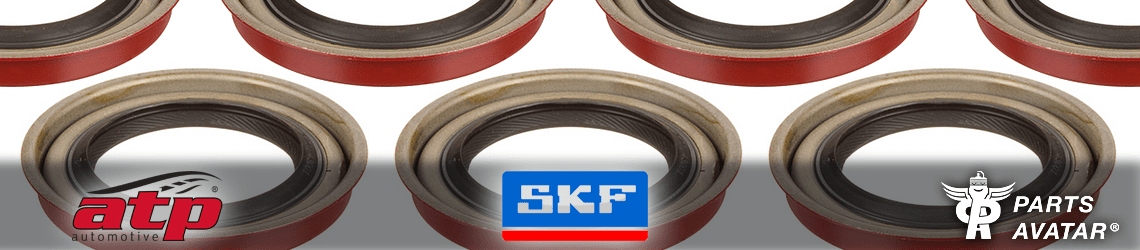
What Is Automatic Transmission Seals?
The automatic transmission seals are used to handle pressure and prevent
transmission fluid leakages from the gaskets. Usually these seals are made up
of a combination of metal, synthetic rubber and Teflon. Now these seals can be
both positive or negative, depending on the other charge to fuse with. If the
seal is positive, it contains all the fluids. If the seal is non-positive, it
may allow a small amount of fluid for lubrication of moving parts.
The front transmission seal or the input shaft seal prevents the fluid
from slipping past the shaft. The input shaft then inserts into the torque
converter. Similarly, the output shaft seal or the rear transmission seal or
driveshaft seal, helps in preventing the fluid from escaping where the
driveshaft yolk slips into the transmission.
A transmission seal has two important dimensions namely, the inner
diameter and the outer diameter. To keep the tiny spring snug against the input
shaft, the inner diameter of the seal has an interference fit. The seal locks
the fluid inside when the driveshaft gets inserted in the transmission. It is
important to know that the seal prevents the leaks despite the spinning speed
of the driveshaft.
If the seals are weak, the first threat is of the transmission fluid leakage. This may occur due to variety of reasons. Oxidation is one process that causes the seals to lose their flexibility, resulting in cracks. Improper seal installation can also cause leakages. Bearing wear is another reason of transmission seal damages and leaks. Thus, proper checks are in order.


Types Of Automatic Transmission Seals
According to various compositions, the positions and the type of vehicle
the transmission seal types may vary. Thus, following are different types of
transmission seals present in different vehicles:
- Lip Seals - These seals are ideal for both axial and rotational movements and are
used to apply pressure. An important member of the lip seal family is the
piston seal, that is very important for proper transmission functioning. This
type of seal usually has a lip on the outside of its diameter that allow the
fluid to flow with high pressure causing the piston to move forward. It is
important to install the seal in correct direction, because it the lip is in
opposite direction, it will not hold the pressure. This type of seal is also
used to avoid transmission fluid leakages. Lip seals also have a garter spring
on the inner lip that apply constant pressure as the seal wears.
- O Rings - These are mostly used for static sealing. Static seals are formed
between two non-moving parts. Similarly, the dynamic seal works between two
moving parts. They work perfect for creating positive seal against fluid leaks.
- Square Cut Seals - The square cut seals and the O ring seals are
installed into the grooves cut into the components. Since the square cut seal
have a square design, they tend to move less than the O rings. Thus, they have
more axial movements than O-Rings.
- Metal Ring Seals - Metal seals are used to provide non-positive sealings around the shafts. Similar to lock washer, these sit in the grooves and a gap between the ends of the seal. Teflon seals are also used for this function as they have minimal wear off. The seals may come in a circular piece and may need an installation tool to install properly.
Materials Of Automatic Transmission Seals
- Transmission seals are usually made of metal, synthetic rubber, and Teflon.
Symptoms Of Bad Automatic Transmission Seals
Following are the symptoms of a failed transmission seal:
- Transmission Fluid Leak - The prime symptom of a transmissionseal failure is
leaking transmission fluid. If you find automatic transmission leaking,
the operating temperatures in the transmission system will rise and can
cause component failure. This can cause erratic shifts and jerks and even
complete transmission failure. If the transmission fluid is leaking, you
may notice spots or puddles of fluid under the car. ATF is usually red, or
brown in colour with a distinctive odour.
- Gear Oil Leaks - If the seal has gone
weak, the gaskets may not be able to hold any fluids and can even cause
gear oil or motor oil leakages from under the vehicle.
- Transmission Slippage - The
transmission may slip along with erratic shifts and rough idles, if the
fluid levels have decreased due to leakage. It may also be accompanied by
transmission noises from under the hood.
- Noisy Drivetrain - Faulty seals can cause
transmission failure leading to increased load on the engine and the
transmission itself. This can cause increased temperatures, smoke from
under the hood and a lot of noise from the drivetrain. Even the entire
gear system can get hampered.
- Burning Smell - If the transmission
fluid levels drop due to leakage, the transmission fluid can burn and
cause smoke and burning clutch smell. This can cause severe damage to the
transmission system.
- Check Engine Light On - If there is any problem in the vehicle transmission,
the Check Engine Light may turn on, indicating the problem. Thus, it is
advisable to seek professional help to check and resolve any transmission
problem.
Tools Needed For Automatic Transmission Seals
Do you like repairing your car on your own? Thinking of opening up your
own car body shop? It is a great business opportunity if you love cars and
possess a good work ethic. Now if you want your shop to be successful, then you
will require a combination of effort as well as car mechanic training. And of
course, the correct equipment which would upgrade your speed as well as make
your repair work easy. If you have the right tools, then you can easily meet
the demands of today’s car body structures. Here are some of the most essential
tools which you might need to repair your Automatic transmission seals.
- Set of wrenches
- Hammer
- Floor jack
- Jack stands
- Container to catch transmission fluid
- Common screwdriver
- Seal remover
Top Brands For Automatic Transmission Seals
If you know which car parts brand suits the best for your Automatic
Transmission Seals then it would save a lot of your decision-making time. What
we believe is that picking a particular brand would always be helpful in
reducing the clutter, and at the same time would make it easier for the
customers to find what they are actually looking for. That’s why we have listed
out some top brands for Automatic Transmission Seals below as follows: -
|
|
Related Parts Of Automatic Transmission Seals
If you are like most of us, then you won’t know much about the related
components of car Automatic Transmission Seals. Fear not! Here is a quick and
easy guide to explain the related parts of the Automatic Transmission Seals.
How To Change Automatic Transmission Seals?


The transmission seal usually needs replacement to avoid any leakages
from the driveshaft where it attaches to the output shaft of the transmission.
The role of seal is to keep the fluid in the transmission as the driveshaft
moves in and out of the transmission.
Step 1
Raise the vehicle using a jack and keep it risen using jack stands.
Place the vehicle in neutral and apply the parking brakes to avoid any
accidents.
Step 2
Inspect and remove the driveshaft C-Clamps at the pinion by unscrewing
the bolts.
Step 3
Collect the leaking fluid by placing a container under the tail shaft
and pull the driveshaft out of transmission.
Step 4
Use a seal remover to remove the transmission seal. If you don’t have a
remover, make use of a simple screwdriver to take out the seal. Do not scratch
the surface of the transmission, otherwise you might need to replace complete
tail shaft.
Step 5
The new tail housing seal is pressed as far as possible to ensure a
perfect straight fit. You can also tap in the edges using a hammer for perfect
fit. The driveshaft is pushed into the tail housing, holding the other end if
the driveshaft up using a C-Clamp at the pinion and tighten the clamps.