
5 Maintenance Tips To Prolong The Life Of Your Car’s Radiator
How To Prevent Your Car’s Radiator From Failing?
An engine of a vehicle consists of several parts that work together and generate a lot of friction. This friction, along with the fuel burnt in the combustion chamber, contributes to the heat generated by the engine. To prevent the engine from overheating, vehicles are equipped with a cooling system that helps in dissipating the heat away from the engine. The radiator is one part of this cooling system that performs a critical role in maintaining safe engine operating temperatures. Like any other part under the hood, radiators work continuously and can develop faults that can affect the performance of your vehicle. In this guide, we will look into the working of the radiator, what causes radiators to fail, and what preventive measures you can take to ensure your radiator and the cooling system performs efficiently.
In this article:
What Is A Radiator And How Does It Function?
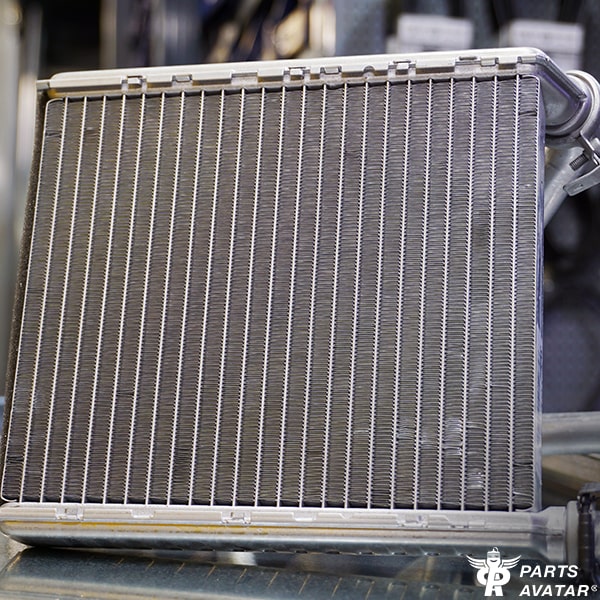
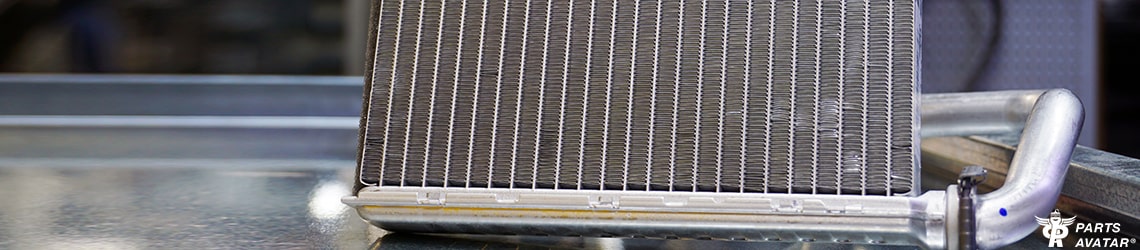
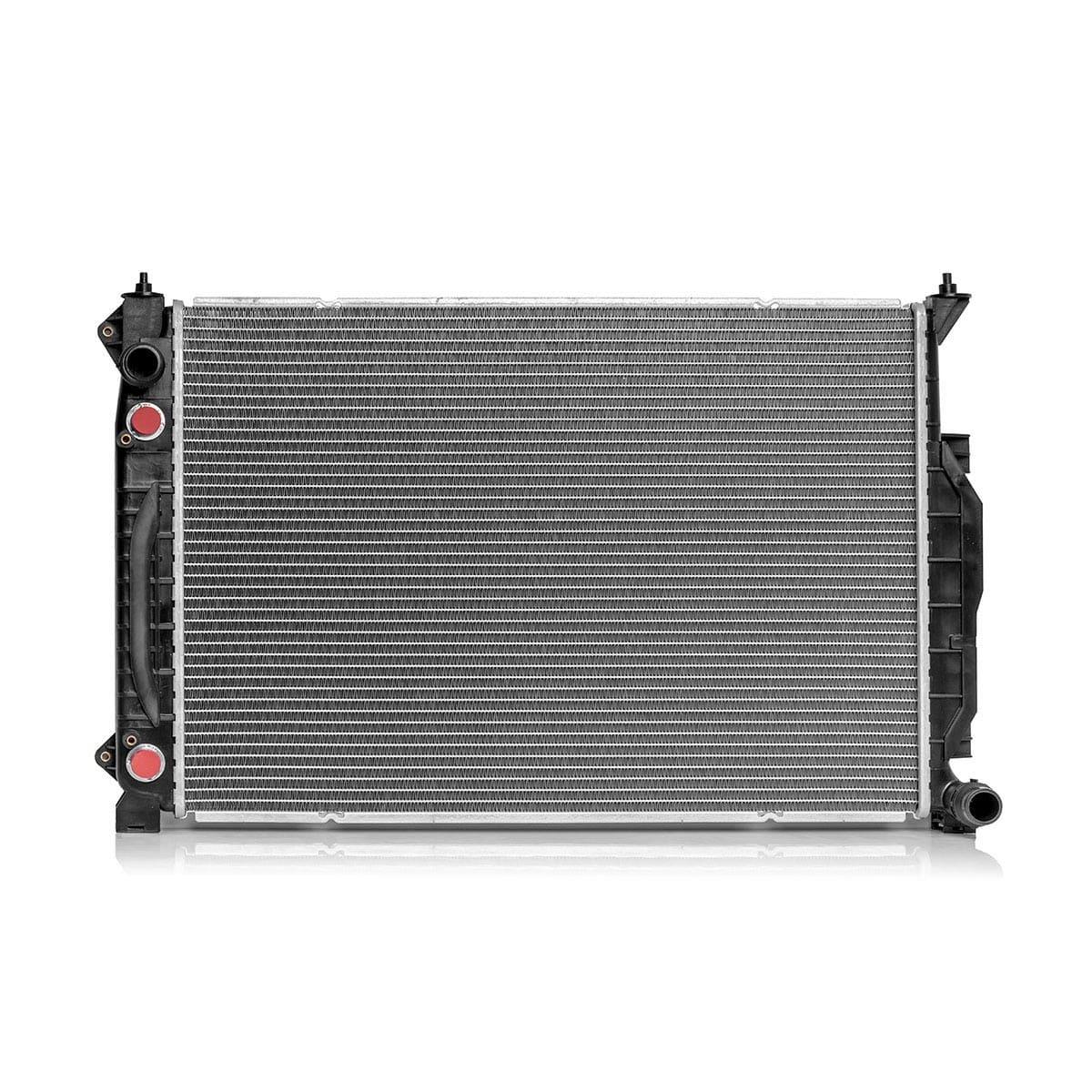
A radiator is a heat exchanger that helps lower the engine temperature by reducing the temperature of the coolant flowing through it. Your vehicle's cooling system consists of a water pump that circulates the coolant around the engine. This coolant, carrying the heat from the engine, is then circulated to the core of the radiator where the coolant passes through thin metal fins and gets cooled by the radiator fan or air entering the engine bay as the vehicle moves forward. As the air moves through the radiator tubes and fins, the heat gets radiated from the coolant into the atmosphere, allowing the cooled fluid/coolant to move back toward the engine to repeat the cycle.
Radiators can be of tubular and cellular types. In tubular type radiators, the upper and lower tank of the radiator is connected via tubes and these tubes are surrounded by fins for cooling. Cellular type radiator features individual air cells around which the coolant flows and gets cooled. Cellular type radiators are also known as honeycomb radiators and are widely used in vehicles.
How To Maintain And Prevent Radiator Failure?
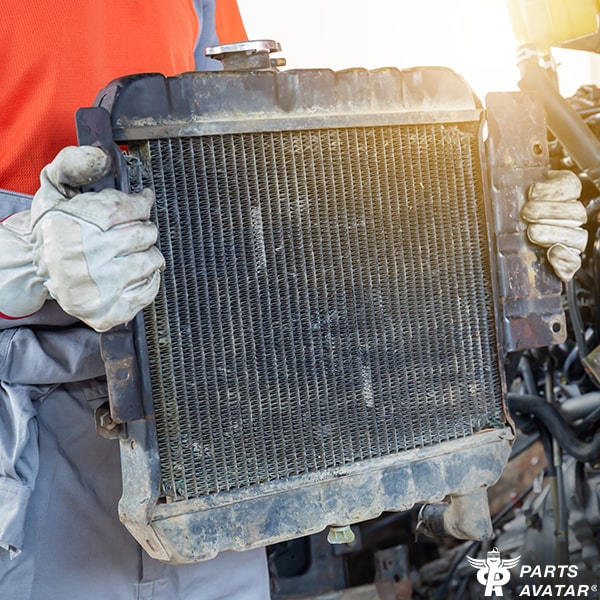
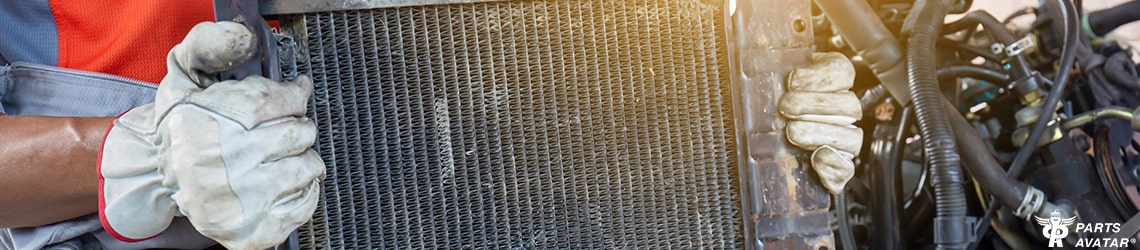
While servicing our car or doing regular checkups, a quick radiator check can prevent unexpected breakdowns and keep your cooling system in perfect condition. A well-maintained radiator can last your car's lifetime, provided it has been maintained regularly. Here are some tips on how to maintain your car’s radiator to prevent it from malfunctioning.
Use The Right Coolant
The coolant is the lifeblood of the engine cooling system. Use coolants specifically recommended for the make and model of your car because radiators made from different materials like aluminum, copper-brass, etc. require a specific type of coolant. The key to maximizing the life of an aluminum radiator is to always use concentrated coolants that have to be mixed with water. Always use distilled water while mixing with the coolant because tap water contains various minerals that can eat through aluminum. Old copper radiators were forgiving towards these minerals, but if your vehicle has an aluminum radiator, pre-mixed coolants are a better solution to this problem. The pre-mixed coolant comprises distilled water in a proper ratio so you can simply top-up. Using inappropriate coolant may not suit your particular radiator, therefore ensure you choose the correct engine coolant and never mix two different coolants.
Flush Your Car Radiator
Periodically flushing your radiator will remove sludge, reducing the chances of clogging and corrosion. This buildup can spill throughout the entire cooling system and can result in a radiator failure and prevent it from functioning properly. Although the radiator flush interval varies depending on the car, a general rule is to flush the radiator every 3 years or 50,000 km, whichever occurs first. For those who drive a lot throughout the year and cover a lot of miles on their vehicles, additional flushes might be necessary. Check the owner’s manual and follow the recommended interval for coolant servicing and flush out dirty coolant completely.
Check Coolant Levels
Perhaps the most important aspect of radiator maintenance is to check your coolant levels regularly to ensure an optimum amount of fluid in the radiator. Maintaining recommended coolant levels prevents your car from overheating and keeps the water from freezing in colder climates.
Replace Worn Out Radiator Hose And Clamps
Check your radiator hoses for cracks and leaks and the radiator cap seal for proper functionality. A good habit is to check your radiator hose and clamps for damage every time you change your engine oil or during regular checkups. Over time, the radiator hoses can become brittle and develop cracks due to repeated heating and cooling cycles. Check for leaks, swellings, and holes in the radiator hose and get them replaced. This will help you keep your cooling system in perfect condition and spot any signs of leaks or drips so you can carry out a quick replacement and avoid further issues.
Blocked Radiator Fins
Radiators need regular airflow for proper cooling. The fins and thin tubes that run at the front of the radiator can get clogged due to dirt, bugs, leaves, and other materials. If the fins get blocked due to excess debris deposition, the airflow can be reduced, negatively affecting the cooling efficiency of the system. Check your radiator fins periodically and remove the excess gunk and deposits to keep the air flowing freely. The radiator fins are delicate and should not be washed with high-pressure water jets while cleaning as they can get damaged. If enough fins are bent or damaged, you should replace your car’s radiator.
What Are The Symptoms Of A Bad Radiator?
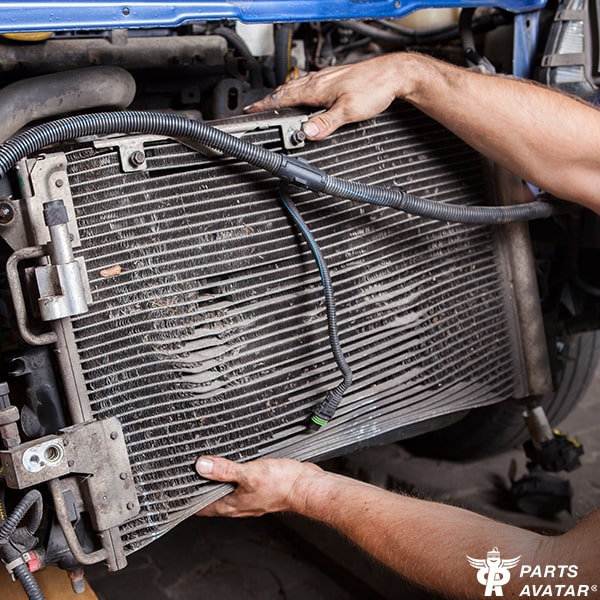
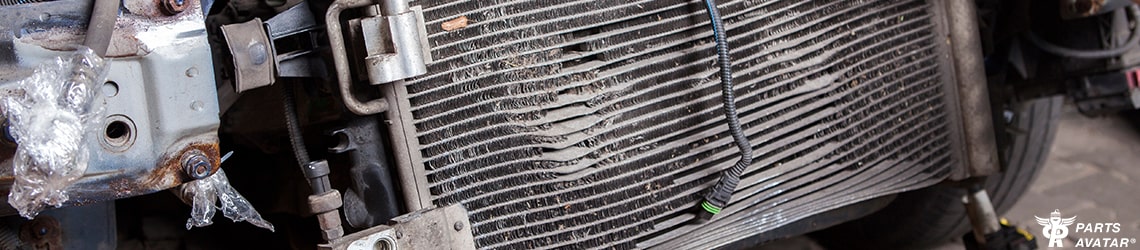
Although carrying out proper preventive maintenance will increase the life of the car's radiator, it can fail due to other factors like premature failure, corrosion, faulty epoxy, and solders. Fortunately, it's easy to identify common symptoms of a failing radiator, which, if detected early, can avoid serious damage to the cooling system and the engine.
Overheating Engine
Since a properly functioning radiator prevents the engine from overheating, if you notice higher than usual readings on the temperature gauge of your vehicle, your radiator might be faulty. If the temperature gauge shows readings slightly out of the usual range, it's often not a cause of concern, especially in summers when you are driving with the air conditioner on. But if the engine consistently runs hot, it's a possible sign of a clogged radiator. This can happen due to corrosion, stuck debris, or deposits built up which can prevent the proper flow of coolant. However, the engine can also overheat due to a failing thermostat.
Leaking Coolant
The radiator housing or cooling fins can develop cracks or tiny holes. This can happen due to severe rust built up and you may be able to see small drops of coolant on the floor. The rust inside the radiator can form due to a low-quality coolant or by using tap water instead of distilled water for the coolant mix. As the radiator keeps on leaking, the coolant amount can deplete, eventually throwing up a low coolant level warning on the dashboard.
Fluid Discoloration
Engine coolant is usually bright colored like green, yellow, blue, or orange and flows freely through the coolant passages in the radiator. Over time, the internal deposits and the sludge formation can contaminate the coolant into a rusty color. When the coolant becomes over-contaminated, it gets thicker and cannot flow through the radiator freely. You can check the color of the coolant by looking at the coolant overflow tank. You should change your coolant if it is dark or muddy in color.
Heater Not Working
Another symptom of a failing radiator is a cabin heater that won't work. The cabin heater on your vehicle is part of the air conditioning system and relies on the hot coolant that passes through the heater core. The heater core heats up the air, which gets blown into the cabin by the blower. One of the causes of a failing heater is a clogged or leaking radiator, which doesn't allow enough hot coolant to flow to the heater core. If you witness such a problem, your radiator needs to be checked for damage and replaced.
It's always good to stay ahead of car repairs and carry out regular maintenance of your radiator to ensure your car's cooling system and the engine stays in proper condition. You should have your cooling system and radiator inspected at least every 12 months, especially if you drive your vehicle a lot. Taking these tips on radiator maintenance into consideration will not only help your radiator last a long time but will also prevent the engine from overheating and reduce damage to the internal components.
Buying Guides & Articles on Auto Parts
Articles and Guides written by auto parts experts to ensure you have all the required knowledge to make the correct purchase here at Parts Avatar.
Read all Guides & Articles